KasvuPoint Oy
Lohtajankatu 5D 32
Kajaani 87150
Finland
Phone Number
+358442485817
Email Address
info@kasvupoint.fi
Activated Carbon
Product Intro
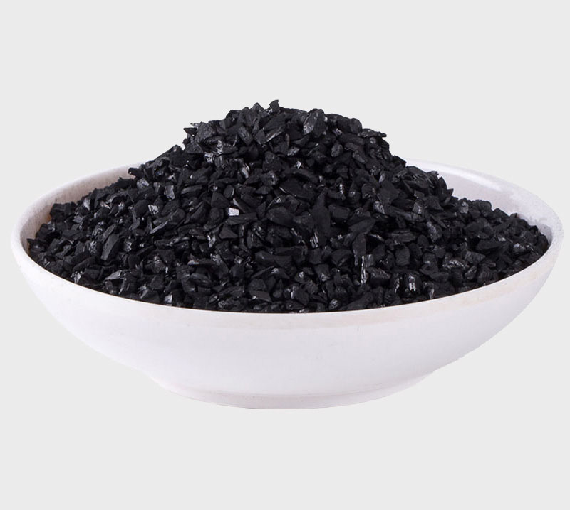
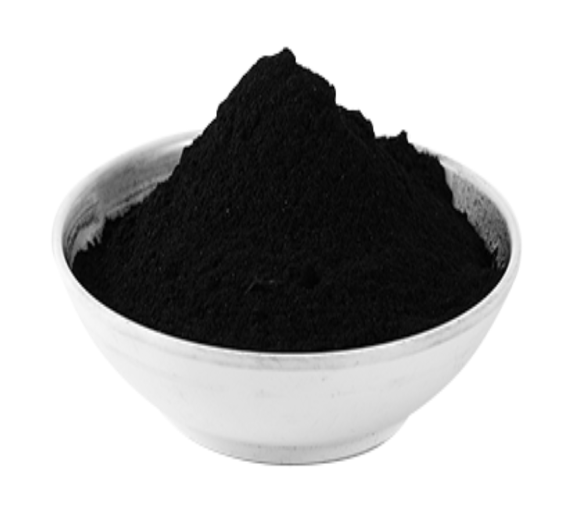
Activated carbon, also known as activated charcoal, is a highly porous material made from organic substances like coconut shells, wood, or coal. It is renowned for its exceptional adsorption properties, which make it ideal for purifying air, water, and various industrial applications. Its large surface area and ability to trap impurities, odors, and toxins enable it to effectively remove contaminants from liquids and gases. Activated carbon is widely used in water filtration systems, air purifiers, gold recovery, and even medical treatments, making it a versatile and eco-friendly solution for many industries. Activated carbon works through a process called adsorption, where impurities in liquids or gases are attracted and held on the surface of its highly porous structure. With an extensive network of tiny pores, activated carbon offers an immense surface area, making it highly effective at trapping contaminants. As substances pass through the carbon, molecules of impurities adhere to its surface through chemical attraction or physical forces. The carbon’s ability to selectively target contaminants, such as chlorine, volatile organic compounds (VOCs), odors, and heavy metals, makes it an essential material for purifying water, air, and industrial products.